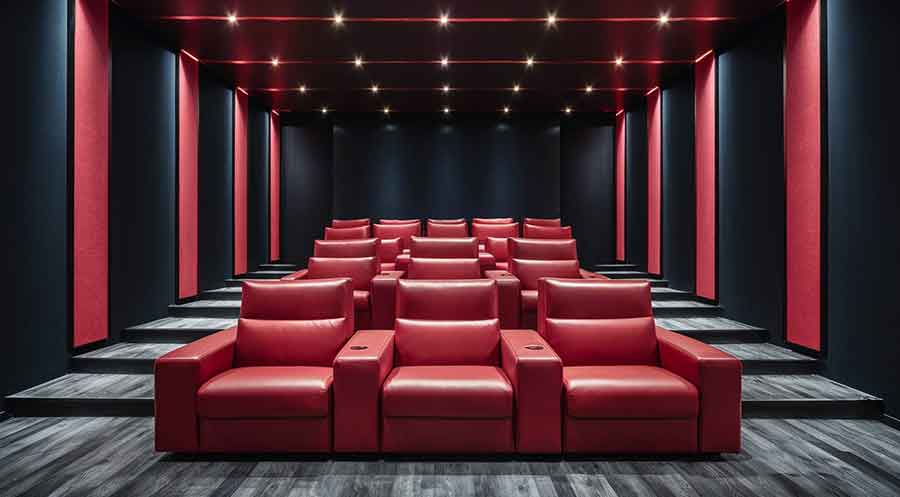
When it comes to achieving crystal-clear, high-quality sound, acoustic treatment is key. Whether you’re designing a recording studio, home theater, or concert hall, the right materials can make all the difference. Acoustic treatment helps control echoes, reverberation, and unwanted reflections—ensuring sound that’s accurate and pleasant to the ear.
In this blog, we’ll explore the best materials for acoustic treatment, their benefits, and how each contributes to building the perfect sound environment.
1. Acoustic Panels
Acoustic panels are among the most popular and versatile sound treatment options. Available in different sizes, shapes, and materials, they work by absorbing unwanted sound waves to minimize echo and improve clarity.
Types of Acoustic Panels:
- Foam Panels:
Lightweight and easy to install, foam panels are ideal for DIY projects. They effectively absorb mid to high frequencies but may struggle with lower frequencies. - Fiberglass Panels:
Known for their superior sound absorption across a wide range of frequencies, fiberglass panels are rigid and durable, making them suitable for commercial studios and public spaces. - Polyester Panels:
An eco-friendly and fire-retardant option, polyester panels provide good absorption and are perfect for environments where safety and sustainability are priorities.
2. Bass Traps
Low-frequency sound waves often accumulate in corners or along walls, leading to a boomy or muddy sound. Bass traps are specially designed to absorb these low frequencies, enhancing overall sound clarity and balance.
Common Bass Trap Materials:
- Fiberglass
- Mineral wool
- Porous foam
These dense materials effectively capture and dissipate low-end energy, making bass traps essential for studios and home theaters.
3. Diffusers
While absorption is crucial, diffusion is equally important for achieving a natural and balanced acoustic environment. Diffusers scatter sound waves in multiple directions, reducing flutter echoes and standing waves without making the space sound overly “dead.”
Materials Used in Diffusers:
- Wood: Offers warm, natural diffusion and adds aesthetic appeal.
- Plastic: Lightweight and versatile, suitable for modern interiors.
- Foam: Budget-friendly and effective for smaller rooms.
Diffusers help maintain a lively yet controlled acoustic feel—ideal for live performance spaces and control rooms.
4. Mass-Loaded Vinyl (MLV)
When soundproofing is the goal, Mass-Loaded Vinyl (MLV) is a top choice. This dense, flexible material is used to block airborne noise and prevent sound transmission through walls, ceilings, and floors.
Key Benefits of MLV:
- Exceptional at blocking low-frequency noise
- Flexible and easy to install behind drywall or flooring
- Ideal for studios, offices, and home theaters
MLV enhances sound isolation, ensuring that your space remains private and undisturbed.
5. Curtains and Drapes
Even simple fabric curtains and drapes can contribute to acoustic improvement. Heavy, dense fabrics like velvet or wool help absorb high-frequency reflections and reduce reverberation, especially in rooms with hard surfaces.
They’re also an easy and affordable way to enhance both aesthetic appeal and sound comfort.
Conclusion
The best materials for acoustic treatment depend on your space requirements, sound goals, and budget. From absorbing echoes with foam or fiberglass panels to blocking noise using MLV, each material has unique properties that shape the acoustic character of a room.
By carefully choosing and combining these materials, you can create a balanced, functional, and visually appealing sound environment—whether it’s for music production, entertainment, or professional communication.
Investing in the right acoustic treatment not only enhances sound quality but also transforms your space into a truly immersive listening experience.