Creating a space with excellent sound quality isn’t just about high-end speakers or audio systems—it’s about how sound interacts with the environment. That’s where acoustic treatment comes in. By using the right materials and techniques, you can control echoes, reduce noise, and create a balanced and immersive sound experience.
Whether you’re working on a recording studio, home theater, office, or event hall, here are some of the most commonly used and effective materials for acoustic treatment.
1. Acoustic Panels
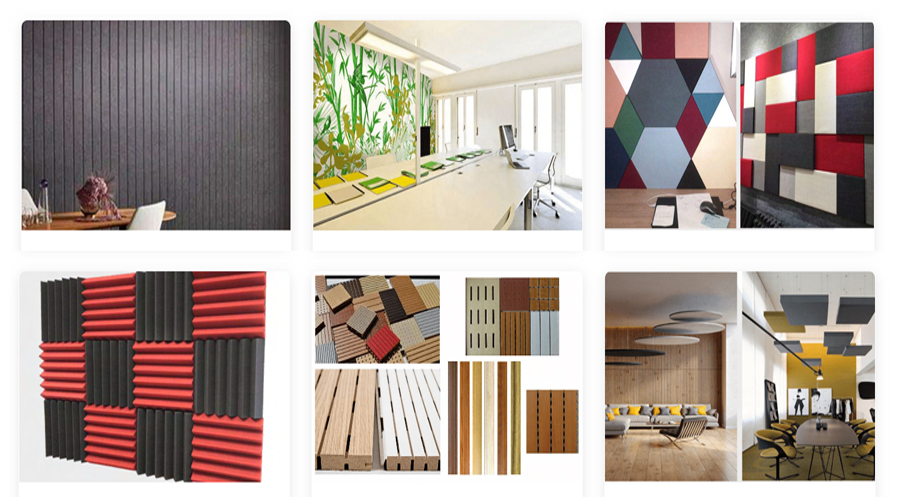
Acoustic panels are among the most popular solutions for improving sound quality. Made from sound-absorbing materials such as fiberglass or foam, these fabric-covered panels help reduce echoes and absorb mid to high-frequency sounds.
They can be easily mounted on walls or ceilings and are available in various designs, making them both functional and visually appealing.
2. Bass Traps
Low-frequency sounds often build up in the corners of a room, creating a boomy or muddy tone. Bass traps are designed to absorb these low frequencies and are typically installed in corners or along walls.
Using materials like mineral wool or fiberglass, bass traps improve overall sound clarity and balance—especially essential for studios and mixing rooms.
3. Diffusers
While absorption helps eliminate unwanted reflections, diffusers ensure the room doesn’t sound “flat.” They scatter sound waves in multiple directions, evenly distributing sound energy throughout the space.
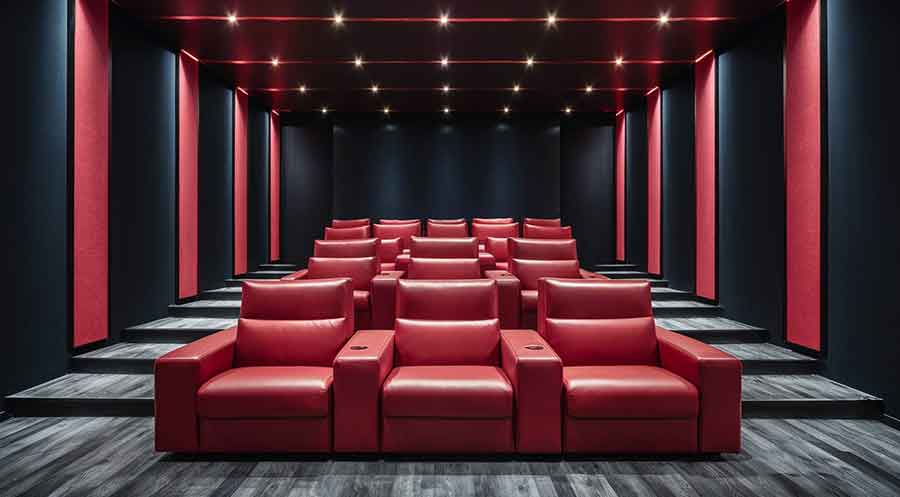
Diffusers are perfect for creating a natural and lively acoustic atmosphere, commonly used in concert halls, auditoriums, and home theaters.
4. Foam Panels
Lightweight and easy to install, foam panels are great for controlling mid and high-frequency reflections. They can be placed on walls, ceilings, or behind speakers to enhance sound clarity.
Foam panels are also one of the most cost-effective acoustic treatments, making them ideal for home studios and small offices.
5. Acoustic Clouds and Ceiling Baffles
Acoustic clouds—also known as hanging baffles—are panels suspended from the ceiling. They help absorb sound and reduce reverberation, especially in large spaces like open offices, studios, and restaurants.
Besides improving sound quality, they also add an aesthetic, modern design element to the room.
6. Fabric Wall Coverings
These acoustically transparent fabrics are stretched over frames or panels to provide both sound absorption and decorative appeal.
They are commonly used in auditoriums, theaters, and conference rooms where both aesthetics and performance matter.
7. Curtains and Drapes
Thick, heavy curtains or drapes made from materials like velvet or wool can absorb high-frequency sounds and help control reflections.
They are especially useful in home theaters, media rooms, and offices for both sound control and privacy.
8. Carpets and Rugs
Adding thick carpets or area rugs can significantly reduce floor-to-ceiling reflections and minimize sound bouncing off hard surfaces.
This simple yet effective solution is ideal for living spaces, conference rooms, and studios with hard flooring.
9. Acoustic Insulation
Installing fiberglass or mineral wool insulation inside walls or ceilings can effectively block sound transmission between rooms.
This material enhances both soundproofing and thermal comfort, making it a smart choice for recording studios and offices.
10. Bookshelves and Furniture
Strategically placing bookshelves, cabinets, or upholstered furniture can help diffuse and absorb sound.
These natural acoustic elements break up sound reflections and add warmth and character to the space.
11. Ceiling Clouds
Similar to acoustic baffles, ceiling clouds are suspended panels that absorb echoes and reduce reverberation.
They are highly effective in large or high-ceiling environments like offices, classrooms, and studios.
Conclusion
When it comes to acoustic treatment, there’s no one-size-fits-all solution. The best results come from combining different materials strategically based on your room’s size, shape, and purpose.
By addressing specific acoustic challenges—whether it’s excessive echo, low-frequency buildup, or noise transmission—you can create a balanced, comfortable, and high-performing sound environment.
For professional results, consider consulting an acoustics expert who can tailor solutions to your unique space and sound goals.